Reliable Pallet Liquidation Services Available
Common Mistakes to Avoid in Pallet Liquidation: A Beginner's Guide
In the field of pallet liquidation, new entrants often come across several challenges that can obstruct their success. Many first-time participants fail to consider essential elements such as pallet quality assessment and market research. Additionally, they may fail to account for hidden costs and the importance of networking. Each of these mistakes can considerably influence profitability. Being aware of these typical missteps is critical for anyone looking to navigate this complex landscape effectively. What strategies can guarantee a more successful entry into pallet liquidation?
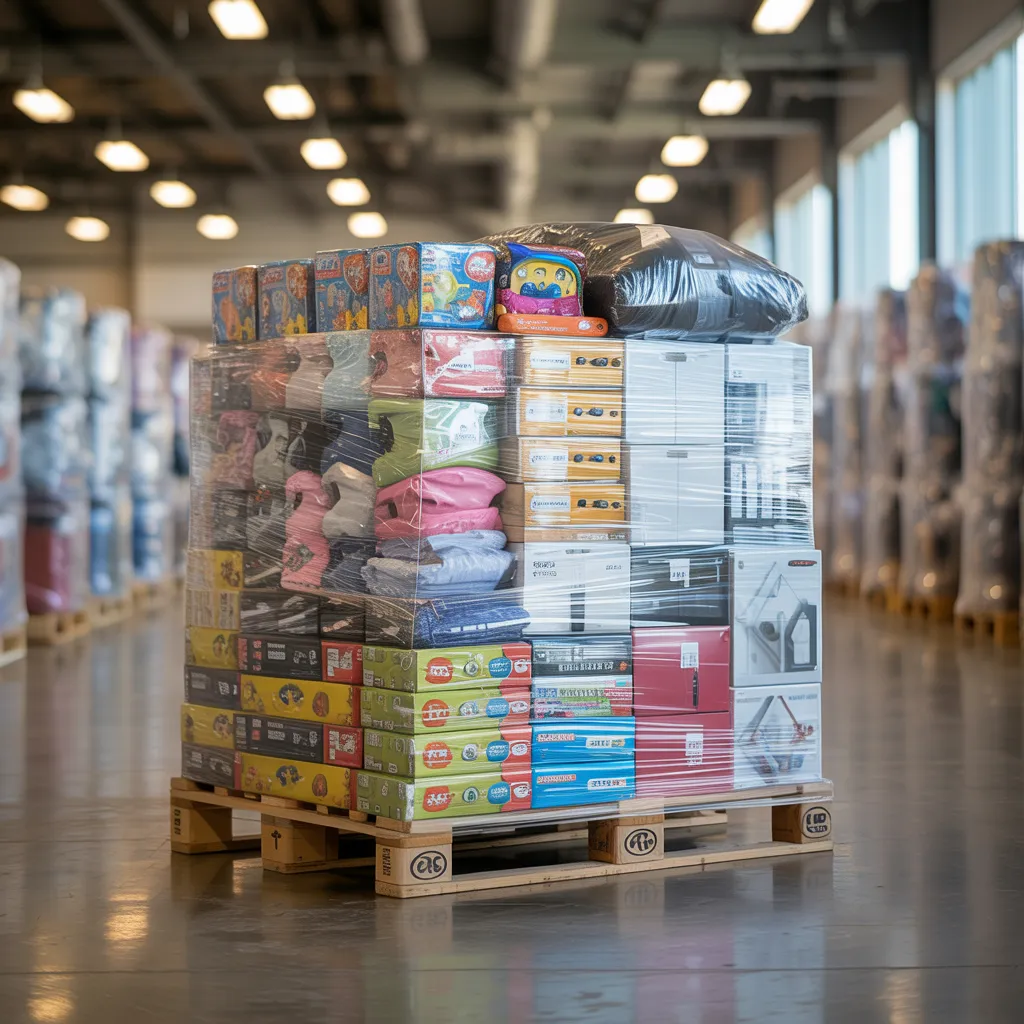
Prevent Misjudging Pallet Quality in Liquidation
In the domain of pallet liquidation, evaluating quality is essential. Newcomers frequently misassess the state of pallets, which can cause substantial monetary setbacks. Understanding the distinction between salvageable and non-salvageable goods is vital. Numerous people are inclined to ignore minor visible damages, under the impression that small signs of wear do not diminish overall value. Nevertheless, concealed flaws may lead to unexpected expenses during resale or removal.
Additionally, depending entirely on visual inspections may be deceptive. Buyers are encouraged to examine product descriptions in detail and, where feasible, examine pallets directly. This practice helps in identifying underlying problems that are not always visible. In addition, recognizing marketplace trends for select items can guide expectations for returns. Through emphasizing a comprehensive assessment of pallet condition, resellers can prevent expensive errors and enhance profitability in their ventures. Understanding the significance of careful quality inspection represents an essential foundation for excelling in pallet liquidation ventures.
Familiarize Yourself with Local Regulations
When navigating the challenges of pallet liquidation, comprehending local regulations is critical to your success. Following local laws can considerably affect the profitability and feasibility of a liquidation business. Different regions may have distinct regulations governing the resale of goods, including safety guidelines and labeling mandates. Neglecting to comply with these regulations can lead to fines or even legal consequences, putting the entire operation at risk.
Additionally, zoning laws may affect the locations where liquidation operations are permitted. A comprehensive understanding of local regulations helps to prevent significant missteps, such as opening a warehouse in a forbidden location. In addition, some states impose taxes on certain types of merchandise or mandate copyrights activities. Therefore, conducting thorough research into local regulations is an important step for those looking to enter the pallet liquidation industry. Following these regulations facilitates smoother business processes and fosters long-term success in the business.
Conduct Market Research for Pallet Liquidation
Carrying out detailed market research is crucial for successful pallet liquidation. The process involves examining local demand trends, reviewing competitor offerings, and examining pricing strategies to guarantee a competitive edge. Through understanding these key factors, companies can make well-informed decisions that improve their liquidation efforts.
Evaluate Local Demand Trends
How does a thorough understanding of local demand trends profoundly affect pallet liquidation success? Studying these trends permits liquidators to synchronize their inventory with community needs, securing improved sales potential. Local demand may shift substantially depending on elements such as seasonality, economic circumstances, and demographic transitions. By conducting thorough market research, liquidators can identify which products are in high demand and adjust their purchasing strategies accordingly. Such understanding not only decreases unsold inventory but also boosts overall profitability. Furthermore, staying aligned with local preferences can assist in developing focused marketing strategies, building stronger relationships with prospective buyers. In the end, a sharp awareness of local demand trends provides pallet liquidators with the essential tools to make well-informed decisions and enhance their operations.
Discover Competitor Offerings
A thorough understanding of what competitors offer can significantly improve a pallet liquidator's market position. By conducting extensive market research, liquidators can determine the kinds of pallets and merchandise competitors are offering, as well as their sourcing strategies. This knowledge helps in identifying market opportunities that could be leveraged for improved returns. Additionally, assessing competitors' strengths and weaknesses allows liquidators to set their inventory apart, ensuring they meet consumer demands more effectively. Observing customer feedback on competitor products can yield important data on product standards and service requirements. Ultimately, studying rival product selections equips pallet liquidators with the knowledge needed to adjust their business tactics and strengthen their standing in a competitive landscape.
Review Pricing Strategies
Evaluating pricing strategies is crucial for pallet resellers looking to increase their profit margins. To create effective pricing, resellers must perform comprehensive market research, analyzing the market demand for particular items and competitor pricing. Identifying location-based price fluctuations and time-based market shifts can shed light on effective pricing frameworks. In addition, assessing acquisition costs with projected retail values assists in discovering profitable margins. Resellers should also account for target audience characteristics; adjusting price points to distinct purchasing audiences can enhance sales. Furthermore, adopting flexible pricing strategies, such as savings for volume buying or special pricing events, can bring in additional buyers. In the end, a well-informed pricing strategy not only boosts profitability but also establishes the reseller as a strong market competitor.
Spotting Hidden Costs in Pallet Liquidation
Within pallet liquidation, unexpected costs can substantially influence profit margins. Unexpected shipping fees, auction platform charges, and financial losses from remaining inventory often go unnoticed. Recognizing these costs is critical for an effective liquidation approach.
Hidden Shipping Expenses
While investigating pallet liquidation choices, one important aspect frequently neglected is the possibility of unforeseen shipping costs. A large number of newcomers concentrate on the expense of the stock itself but neglect to consider the additional expenses associated with shipping the pallets. Transportation charges can fluctuate considerably based on the supplier's whereabouts, the timely resource volume of the cargo, and the chosen copyright. Additionally, some sellers may charge extra for logistics services or require buyers to arrange their own shipping, making the process more complex. To prevent unexpected setbacks, it is necessary to establish shipping details before finalizing a purchase. Understanding these costs can prevent substantial cost exceedances, providing a more reliable financial analysis of the overall liquidation endeavor.
Bidding Platform Costs
Steering through the landscape of pallet liquidation commonly exposes a complex network of auction platform fees that can greatly impact profit margins. Most first-time buyers ignore these undisclosed charges, which can include posting fees, end-value fees, and payment handling costs. All platforms maintain distinct fee arrangements, and understanding these can prevent unexpected financial losses. Moreover, some auctions may impose additional buyer fees that inflate the overall payment amount. It is critical for beginners to thoroughly review the terms of service and pricing structures before committing to any platform. By staying aware of these fees, buyers can more effectively gauge their complete financial commitment and potential returns, ultimately leading to better-informed buying choices.
Losses From Unsold Inventory
Recognizing losses from unsold inventory is vital for anyone involved in pallet liquidation. Products that go unsold can build up expenses that significantly affect profitability. Initially, there are storage costs, which increase with time as products remain unsold. Moreover, leftover products can lead to markdowns or clearance sales, steadily cutting into projected revenue. Furthermore, the threat of product obsolescence or physical damage rises over time, resulting in greater financial exposure.
Additionally, organizations frequently miss the hidden cost of resources held in excess inventory, which could have been allocated to other ventures. A complete analysis of unsold inventory empowers business owners to arrive at well-informed conclusions, limit potential losses, and improve future buying strategies. Understanding these overlooked expenses is critical to sustaining a successful liquidation business.
Grow Your Network
Establishing a strong network is vital for anyone venturing into pallet liquidation. Building relationships with key industry figures, supply partners, and fellow liquidators can significantly improve valuable opportunities and market knowledge. Engaging with local businesses, going to industry trade shows, and taking part in online forums can foster relationships that generate key knowledge about sourcing pallets and market trends.
Additionally, building connections can lead to beneficial partnerships, enabling joint purchasing or exchanged insights on effective selling strategies. By connecting with established liquidators, newcomers can receive mentorship, receiving guidance on circumventing frequent mistakes.
Furthermore, dedicated online communities and social media channels act as outstanding resources for building a wider professional network. Active involvement in these environments can help identify fresh business contacts and trade partners. At the core, a well-built network serves more than just a supportive role; it is a vital component that can advance a newcomer's path in the pallet liquidation business.
Master Sales Strategies for Pallet Liquidation
Developing expertise in sales methods for pallet liquidation can considerably improve profit margins. Understanding market demand is vital; resellers should undertake in-depth analysis to pinpoint which goods are popular and drawing interest from shoppers. Pricing approaches also play an important role; strategically set prices can draw in potential customers while maintaining a healthy return.
Leveraging online platforms for selling can expand the customer base, allowing sellers to connect with a larger audience. Strategic promotional strategies, such as creating compelling listings with detailed images and thorough descriptions, can boost visibility and appeal.
Fostering relationships with loyal customers promotes confidence and loyalty, which can result in steady sales. Finally, presenting promotions or price reductions can generate interest and accelerate sales, reducing excess inventory. By following these methods, beginners can navigate the complexities of pallet liquidation and maximize their returns.
Questions We Often Receive
What Is Pallet Liquidation, and How Does It Work?
Pallet liquidation encompasses buying surplus or returned goods, often in bulk, from wholesalers or retailers at a lower cost. Purchasers obtain pallets containing a variety of products, including everything from electronics to garments, which they can then sell separately or in smaller lots. The procedure generally encompasses bidding at liquidation auctions or purchasing directly from liquidation companies. Achieving success in this industry demands a solid grasp of market demand and efficient inventory management to optimize earnings.
How Can I Find Reputable Liquidation Suppliers?
To identify reputable suppliers in the liquidation industry, it is advisable to begin by browsing through online directories and community forums where knowledgeable buyers offer their perspectives. Attending trade shows and networking events can also provide valuable connections. Checking supplier credentials and reviewing feedback aids in building confidence. Moreover, requesting suggestions from professional peers may point you toward dependable resources. It's crucial to compare pricing and terms to guarantee a fair deal, thereby cultivating a satisfying buying experience.
What Categories of Products Are Generally Available in Liquidation Pallets?
Liquidation pallets commonly include a wide variety of items, including clothing, electronics, furniture, home goods, and toys. These products frequently originate from returns, overstock, or discontinued product lines, leading to varying conditions from new to damaged. Sellers may feature products from recognizable brands, presenting profitable opportunities for resellers. That said, the precise contents may vary considerably, necessitating that buyers diligently investigate and review pallets before buying so as to optimize their return on investment.
How Do I Determine the Resale Value of Liquidation Items?
To establish the market value of surplus inventory, it is advisable to search for related products digitally to gauge market prices. Checking listings on sites such as eBay or Amazon can provide insights into ongoing demand and market pricing. In addition, factoring in the item's overall state, brand reputation, and any included accessories can impact overall worth. Lastly, accounting for delivery expenses and regional competition helps establish a fair yet lucrative resale price.
What Are the Most Common Mistakes Beginners Make in Pallet Liquidation?
Common pitfalls for beginners in pallet liquidation include failing to account for expenses like shipping and handling fees, which can greatly affect overall earnings. A large number of beginners also neglect to investigate the market worth of products, resulting in misguided buying choices. Additionally, overlooking the importance of inventory management can result in unsold products. Inexperienced buyers might also skip thorough pallet inspections, jeopardizing their funds by purchasing defective or unmarketable merchandise. Finally, inadequate awareness of local regulatory requirements can give rise to legal compliance challenges.